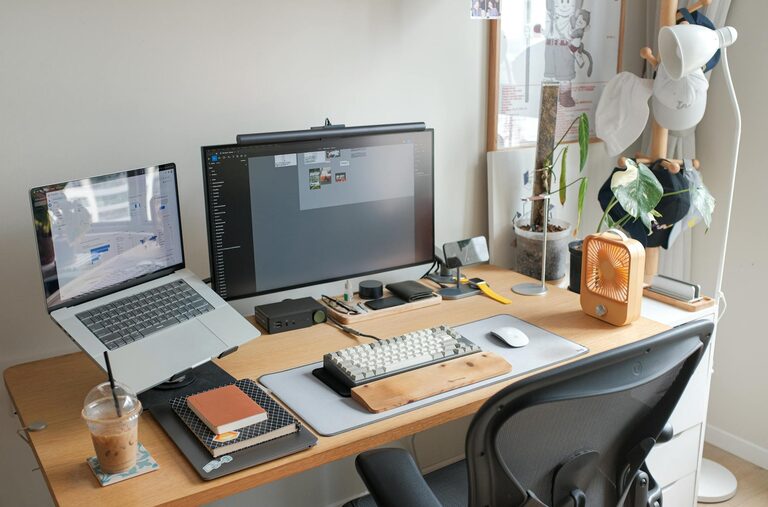



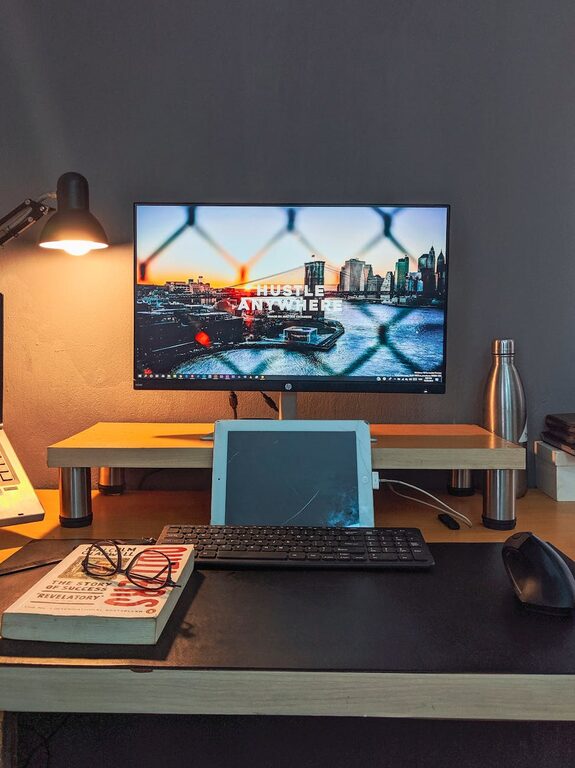
Creating a relaxing home workspace is essential for maintaining focus, reducing stress, and boosting overall productivity. Whether you work remotely full-time or occasionally, the environment where you spend most of your workday strongly affects how well you perform. This guide walks you through easy steps to transform your work area into a peaceful, efficient zone.
Why a Relaxing Workspace Matters
A cluttered or uncomfortable workspace can lead to distraction, fatigue, and decreased motivation. In contrast, a thoughtfully arranged area promotes concentration and encourages a positive mindset. When you feel calm and organized, you’re more likely to complete tasks on time and with greater quality.
Step 1: Choose the Right Location
Begin by selecting a quiet spot in your home that experiences minimal interruptions. If possible, pick a space with natural light—it helps reduce eye strain and improves mood. If natural light is limited, focus on well-balanced artificial lighting that isn’t too harsh or dim.
Tips for Choosing Your Workspace Location:
– Avoid high-traffic or noisy areas
– Look for spaces near windows for sunlight
– Ensure you have enough room for your equipment and storage
– Consider proximity to power outlets for easy device charging
Step 2: Invest in Comfortable and Functional Furniture
Your desk and chair will be your primary companions during work hours, so selecting ergonomic and comfortable options is crucial.
Essentials for furniture:
– Ergonomic Chair: Supports your back and promotes good posture.
– Desk Height: Choose a desk that aligns with your seating height to prevent strain on your wrists and shoulders.
– Adjustability: If possible, opt for adjustable chairs and desks to customize your setup.
Adding a footrest or wrist support is also beneficial to enhance comfort during long working sessions.
Step 3: Declutter and Organize
A clean and tidy workspace clears your mind and makes it easier to find necessary items.
Organizing strategies:
– Use drawer organizers to separate supplies.
– Add shelves or storage bins to reduce desktop clutter.
– Keep only frequently used items on your desk.
– Regularly declutter to avoid accumulation of unneeded materials.
Use cable management tools such as clips or sleeves to arrange cords neatly and prevent tangling.
Step 4: Personalize Your Space Calmly
Adding personal touches can make your workspace feel inviting without overwhelming it.
Ideas for gentle personalization:
– Place a small plant to bring greenery and fresh air.
– Use calming colors like soft blues, greens, or neutrals for decor.
– Display minimal artwork or motivational quotes.
– Incorporate a diffuser with subtle essential oils like lavender or eucalyptus.
Avoid overcrowding your workspace with too many decorations to maintain a serene feel.
Step 5: Manage Lighting and Noise
Lighting and sound levels greatly influence productivity and relaxation.
Lighting tips:
– Favor adjustable desk lamps with warm light.
– Position your monitor perpendicular to windows to reduce glare.
Noise management:
– Use noise-cancelling headphones if you live in a noisy environment.
– Play ambient or instrumental music to mask distractions if preferred.
– Consider white noise machines for consistent background sound.
Step 6: Set Up Technology Wisely
Technology should enhance your work, not hinder it.
Technology setup recommendations:
– Use a quality monitor stand to raise your screen to eye level.
– Invest in wireless devices to reduce cable clutter.
– Keep frequently used tech accessories within reach.
– Regularly update software and devices to prevent slowdowns.
Step 7: Establish Work Habits and Boundaries
Your workspace setup is only part of the equation. Establishing healthy habits also ensures sustained relaxation and productivity.
Helpful routine habits:
– Start your day with a quick workspace tidy-up.
– Take breaks every hour to stand and stretch.
– Define clear work hours and communicate them to family or roommates.
– End your day by shutting down devices and organizing your area.
Conclusion
Creating a relaxing home workspace is an investment in your well-being and efficiency. By choosing the right spot, organizing thoughtfully, and personalizing gently, you’ll cultivate an environment that encourages focus and calm. Combined with mindful work habits, your new space will help you achieve more while maintaining balance throughout your day.
By following these practical tips, your home workspace will become a sanctuary of productivity and peace, no matter how busy your schedule gets.